Solar Energy Systems Explained: How Solar Panel Installation Powers Your Illinois Home
Breaks down the technology behind solar energy systems, from photovoltaic cells to inverters and grid integration, helping homeowners understand how their solar installation actually works.
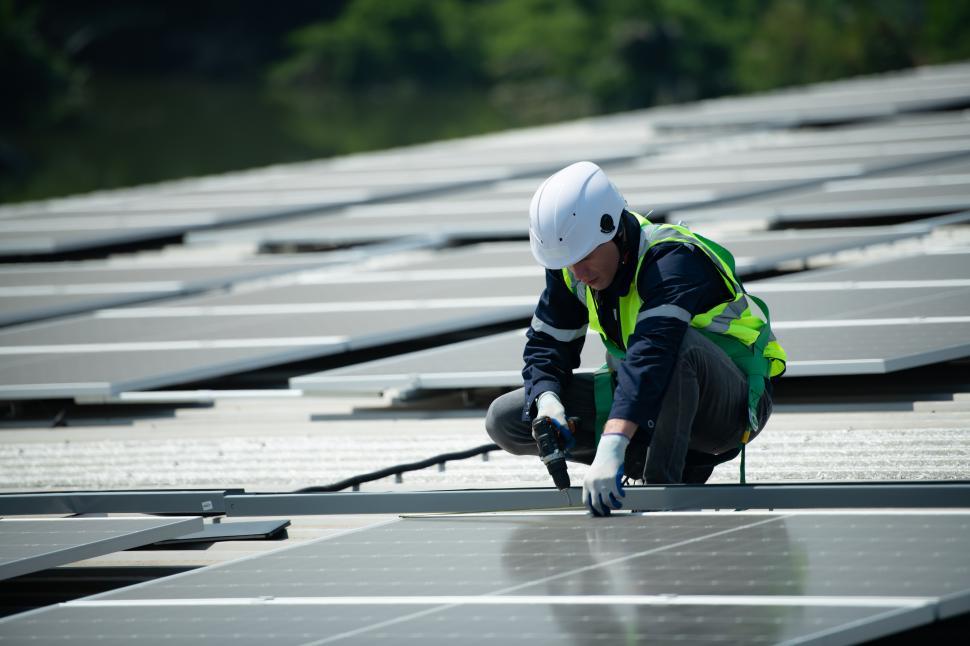
Solar energy harnesses the sun's abundant power through photovoltaic cells that convert sunlight directly into electricity your Illinois home can use immediately—yes, even on cloudy days and throughout winter months. When you invest in solar panels for your home, you're essentially building your own private power plant that generates clean electricity for 25-30 years with minimal maintenance, reducing your reliance on ComEd or Ameren while locking in predictable energy costs. Understanding how solar installation works demystifies the technology and helps Illinois homeowners appreciate the sophisticated engineering behind those panels on their roof working silently through every season.
The solar panel installation process creates a complete energy ecosystem that integrates with your home's electrical system through an inverter—the brain of your solar power for home setup. This critical component converts the direct current (DC) electricity your solar panels produce into alternating current (AC) electricity that powers your appliances, lights, and devices while synchronizing with ComEd or Ameren's grid requirements. Modern inverters include monitoring capabilities that track production in real-time, alerting you to any performance issues and providing detailed data about your energy independence journey, including how much you're saving on Illinois electricity rates.
Professional solar installation ensures proper system sizing based on your household's energy consumption patterns, future needs, and Illinois-specific considerations. Reputable solar energy companies analyze your ComEd or Ameren utility bills, consider planned additions like electric vehicles or pool equipment, and design systems with expansion capability while accounting for seasonal production variations in Illinois's climate. This forward-thinking approach prevents the frustration of outgrowing your solar energy system within a few years, ensuring your investment continues meeting your needs through Illinois's hot summers and cold winters as your life evolves.
Solar panels for house installations also include critical safety features and grid integration technology required by Illinois utilities and building codes. Rapid shutdown systems, ground fault protection, and arc fault detection protect both your home and ComEd or Ameren workers servicing nearby lines. Net metering capabilities allow your solar for home system to feed excess production back to the grid during peak generation hours, banking credits you can use when solar production drops at night—a benefit that Illinois law guarantees through utility net metering programs. This sophisticated integration transforms your home from a passive energy consumer into an active participant in Illinois's transition to clean energy and the modern, distributed energy grid that represents our sustainable future.