Our Portfolio
At Quality Solar, we specialize in delivering high-performance solar solutions for both residential and commercial properties.
Explore our portfolio to see how we’ve helped homeowners and businesses harness solar power, lower energy costs, and move toward a more sustainable future.
Explore our portfolio to see how we’ve helped homeowners and businesses harness solar power, lower energy costs, and move toward a more sustainable future.
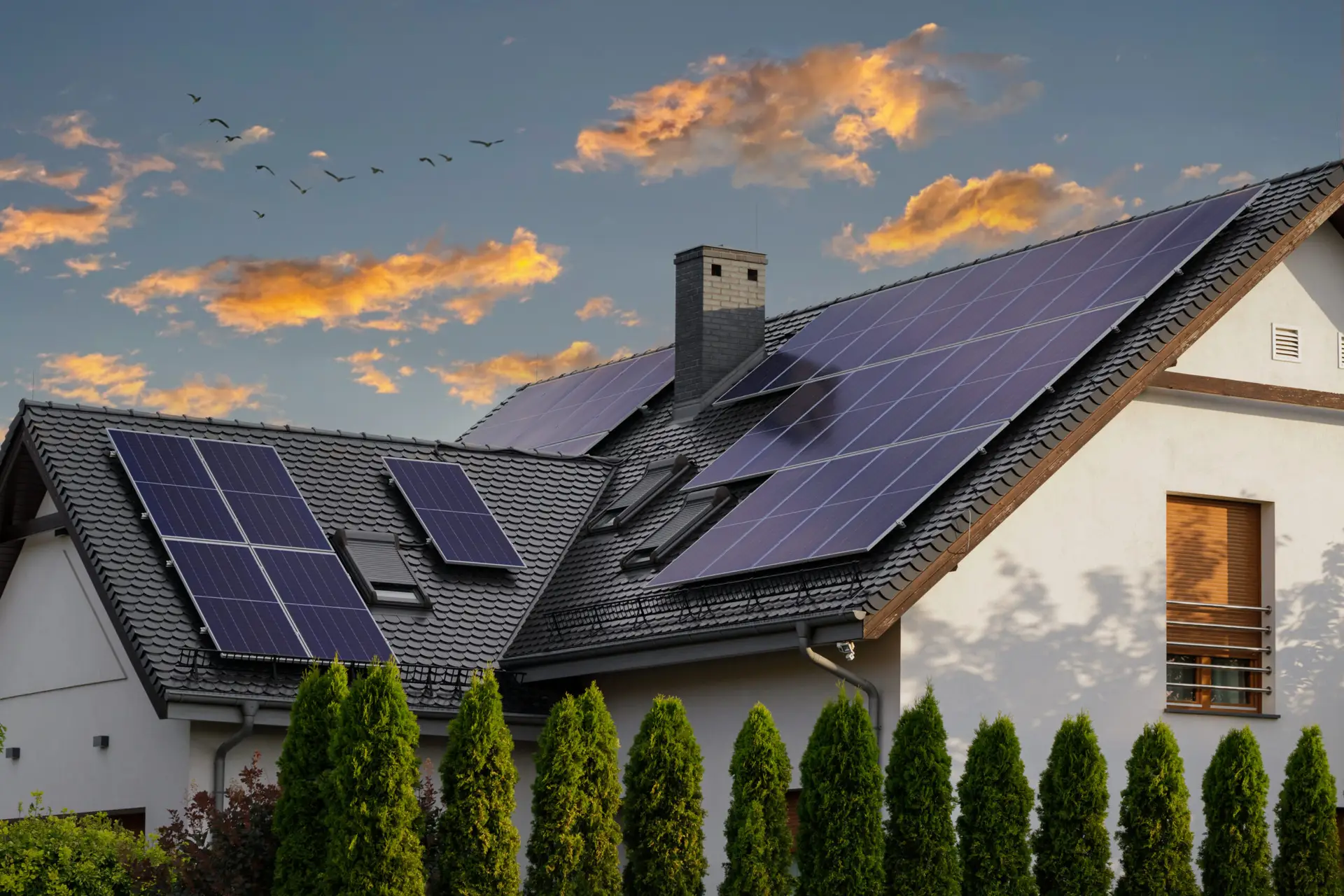
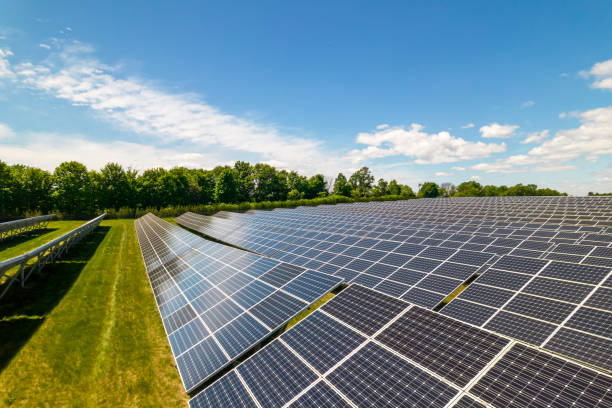
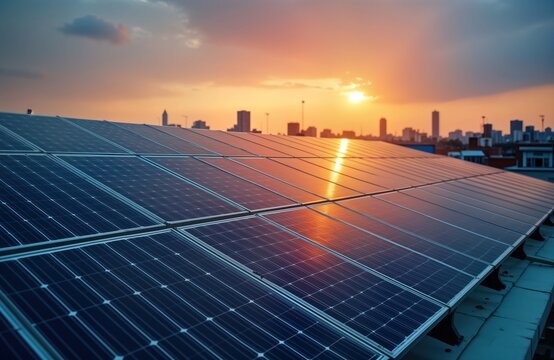
Explore our portfolio to see how we’ve helped homeowners and businesses harness solar power, lower energy costs, and move toward a more sustainable future.
Sustainable Energy Powered by the Sun
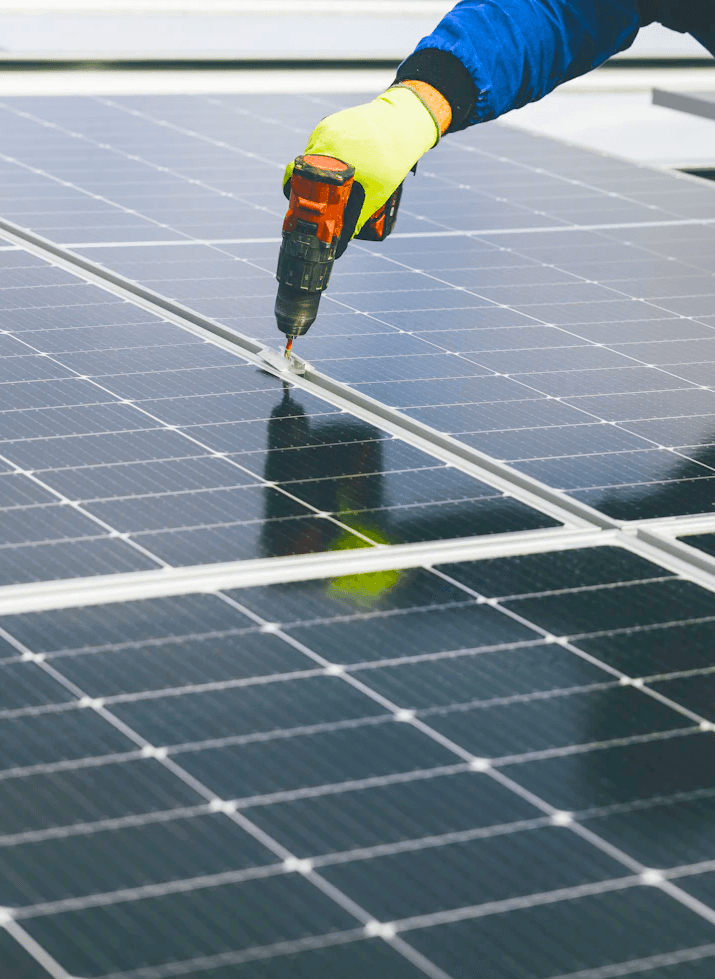
We know a successful solar project starts with careful planning and smart execution whether it’s for your home, business, or an industrial facility.
Seamless installation from start to finish
Built to deliver long-term performance
High efficiency panels and equipment


Key Features
Across All Installations
Easily compare the core features, specs, and capabilities of each Volthaus charger to find the perfect fit for your home, business, or fleet.
Premium Materials
Top-tier panels from QCell, REC, and Jinko for maximum efficiency.
Premium Materials
Top-tier panels from QCell, REC, and Jinko for maximum efficiency.
Expert Installation Team
Certified installers delivering flawless, safe solar installations.
Expert Installation Team
Certified installers delivering flawless, safe solar installations.
Full Project Management
We handle permits, inspections, and utility connection - hassle-free.
Full Project Management
We handle permits, inspections, and utility connection - hassle-free.
Let's Start
Let's Start
Your Project!
Your Project!
Fill out a few details below and we’ll be in touch shortly.
Lower Energy Bills Fast
Clean Renewable Solar Power
Residential & Commercial Solar
Fast, On-Time Installation
Trusted Local Solar Experts



Trusted by 300+ Illinois Residents
Your Questions, Answered
Your Questions, Answered
How Does Residential Solar Energy Work?
Residential solar energy harnesses the power of sunlight to provide sustainable electricity right at your doorstep.
It all begins with photovoltaic (PV) panels installed on the roof or in the yard, strategically positioned to capture maximum sunlight throughout the day. These panels contain silicon cells that convert sunlight into direct current (DC) electricity.
An inverter then converts this DC electricity into alternating current (AC), which is what powers your home appliances and lighting. Any excess electricity generated during sunny periods can be stored in batteries for later use or fed back into the grid for credit through a process called net metering.
Through this elegant process, residential solar energy not only reduces electricity bills but also contributes to a cleaner, greener future for generations to come.
How Much Money Will It Cost?
Solar affordability has dramatically increased in recent years thanks to advancements in technology and government incentives.
With falling prices for solar panels and generous tax credits or rebates available in many regions, homeowners and businesses alike can now invest in solar energy at a fraction of the cost compared to a decade ago.
Additionally, innovative financing options such as solar leases and power purchase agreements make going solar accessible to those without upfront capital, further democratizing renewable energy adoption.
How can I Increase My Home Value?
Investing in solar energy significantly boosts home value by offering long-term savings on energy bills and increasing market appeal.
Homes with solar installations typically sell faster and at higher prices due to their lower operating costs and eco-friendly credentials, attracting environmentally conscious buyers and demonstrating a commitment to sustainability.
Additionally, studies consistently show that solar-equipped homes command a premium in real estate markets, making solar a wise investment for homeowners looking to maximize their property's worth.
Do solar panels have to be on the front of my house?
Solar panels are made to look clean and modern. At Quality Solar, we use black panels with a black backing and hide the wires to keep everything neat.
The way your house faces is important. A south-facing roof is best because it gets the most sunlight without affecting the design.
We also have different panel options. Our team will help you choose the best look for your home while keeping it energy-efficient.
How long does it take to install a solar system?
The solar installation process has several steps, each with its own timeline
Home assessment & consultation: Within 5 days
Permitting: 2 to 6 weeks
Installation: 1 to 2 days
Financing, incentives & utility connection: About 30 days
Some companies require homeowners to wait up to 2 months after permit approval for installation. At Quality Solar, we keep the process smooth, ensuring installation happens within 2 weeks of permit approval.
After installing solar, am I off the grid?
No, your solar system stays connected to the grid.
This means you can still use power from the grid when your system isn’t producing enough. Any extra power your system generates goes back to the grid. In areas with net metering, you get credit for this extra energy, which can help reduce or even eliminate your electric bill.
What about my HOA Rules?
Some Homeowner Associations (HOAs) have rules about changes to your home's exterior. Getting HOA approval for solar installation is a normal step in the process.
If needed, Quality Solar can help with the paperwork to get approval from your HOA, making the process easy for you.
Can solar be installed during a roof replacement?
Yes! Installing solar on a new roof is a great idea. Quality Solar can work with your roofing contractor to make the process smooth.
If your roof is less than 5 years old, it’s a great fit for solar. If it’s over 10 years old, you may want to replace it before installing solar panels.
Why should I install solar on my home?
Solar systems offer many long-term benefits, such as
Lower electricity bills
Protection from rising utility rates
Higher home value
A smaller environmental footprint
There are also short-term financial incentives, like:
Solar Renewable Energy Credits (SRECs)
Solar Investment Tax Credits (ITC)
Are solar panels covered by homeowners insurance?
Solar panels are a permanent part of your home and should be covered by your insurance. However, we recommend notifying your provider after installation to ensure they have it documented for any future claims.
How Does Residential Solar Energy Work?
Residential solar energy harnesses the power of sunlight to provide sustainable electricity right at your doorstep.
It all begins with photovoltaic (PV) panels installed on the roof or in the yard, strategically positioned to capture maximum sunlight throughout the day. These panels contain silicon cells that convert sunlight into direct current (DC) electricity.
An inverter then converts this DC electricity into alternating current (AC), which is what powers your home appliances and lighting. Any excess electricity generated during sunny periods can be stored in batteries for later use or fed back into the grid for credit through a process called net metering.
Through this elegant process, residential solar energy not only reduces electricity bills but also contributes to a cleaner, greener future for generations to come.
How Much Money Will It Cost?
Solar affordability has dramatically increased in recent years thanks to advancements in technology and government incentives.
With falling prices for solar panels and generous tax credits or rebates available in many regions, homeowners and businesses alike can now invest in solar energy at a fraction of the cost compared to a decade ago.
Additionally, innovative financing options such as solar leases and power purchase agreements make going solar accessible to those without upfront capital, further democratizing renewable energy adoption.
How can I Increase My Home Value?
Investing in solar energy significantly boosts home value by offering long-term savings on energy bills and increasing market appeal.
Homes with solar installations typically sell faster and at higher prices due to their lower operating costs and eco-friendly credentials, attracting environmentally conscious buyers and demonstrating a commitment to sustainability.
Additionally, studies consistently show that solar-equipped homes command a premium in real estate markets, making solar a wise investment for homeowners looking to maximize their property's worth.
Do solar panels have to be on the front of my house?
Solar panels are made to look clean and modern. At Quality Solar, we use black panels with a black backing and hide the wires to keep everything neat.
The way your house faces is important. A south-facing roof is best because it gets the most sunlight without affecting the design.
We also have different panel options. Our team will help you choose the best look for your home while keeping it energy-efficient.
How long does it take to install a solar system?
The solar installation process has several steps, each with its own timeline
Home assessment & consultation: Within 5 days
Permitting: 2 to 6 weeks
Installation: 1 to 2 days
Financing, incentives & utility connection: About 30 days
Some companies require homeowners to wait up to 2 months after permit approval for installation. At Quality Solar, we keep the process smooth, ensuring installation happens within 2 weeks of permit approval.
After installing solar, am I off the grid?
No, your solar system stays connected to the grid.
This means you can still use power from the grid when your system isn’t producing enough. Any extra power your system generates goes back to the grid. In areas with net metering, you get credit for this extra energy, which can help reduce or even eliminate your electric bill.
What about my HOA Rules?
Some Homeowner Associations (HOAs) have rules about changes to your home's exterior. Getting HOA approval for solar installation is a normal step in the process.
If needed, Quality Solar can help with the paperwork to get approval from your HOA, making the process easy for you.
Can solar be installed during a roof replacement?
Yes! Installing solar on a new roof is a great idea. Quality Solar can work with your roofing contractor to make the process smooth.
If your roof is less than 5 years old, it’s a great fit for solar. If it’s over 10 years old, you may want to replace it before installing solar panels.
Why should I install solar on my home?
Solar systems offer many long-term benefits, such as
Lower electricity bills
Protection from rising utility rates
Higher home value
A smaller environmental footprint
There are also short-term financial incentives, like:
Solar Renewable Energy Credits (SRECs)
Solar Investment Tax Credits (ITC)
Are solar panels covered by homeowners insurance?
Solar panels are a permanent part of your home and should be covered by your insurance. However, we recommend notifying your provider after installation to ensure they have it documented for any future claims.